
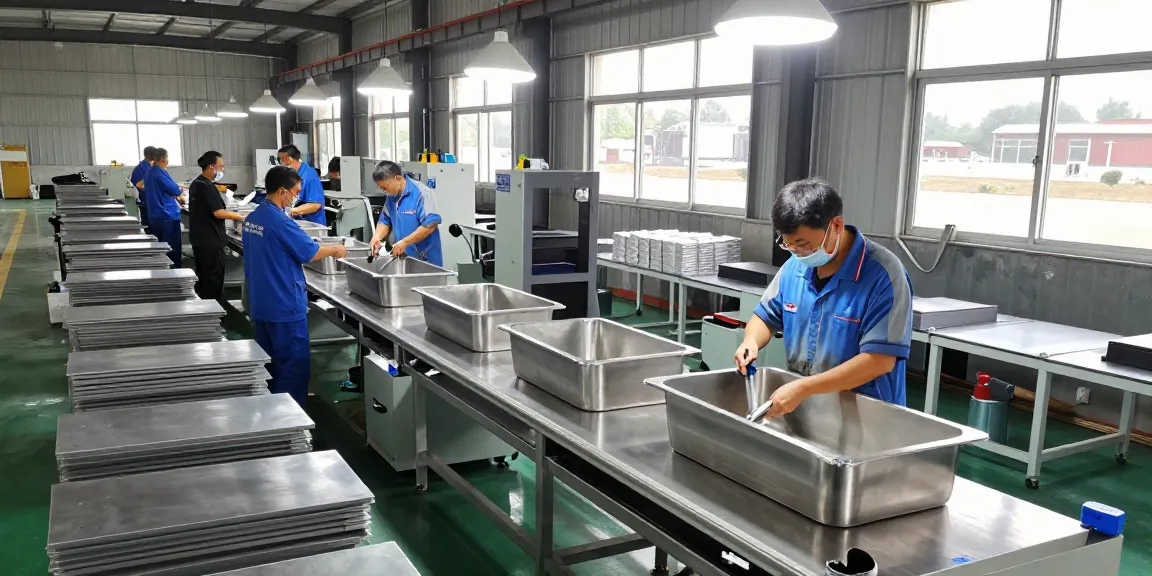
Understanding the Stainless Steel Basin Industry
The stainless steel basin industry has gained significant traction due to the growing popularity of durable and aesthetically pleasing kitchen and bath fixtures. This sector encompasses a variety of products, primarily focusing on the production of basins that meet the needs of both residential and commercial markets. As consumer preferences shift towards sustainable and long-lasting materials, the demand for high-quality stainless steel basins continues to rise. When exploring options, stainless steel basin factory solutions can provide comprehensive insights into the manufacturing and design processes involved.
What is a Stainless Steel Basin Factory?
A stainless steel basin factory is a specialized manufacturing facility dedicated to producing sinks and basins made primarily from stainless steel. These factories are equipped with advanced machinery and technology to efficiently produce a variety of sinks, from simple designs to more complex, custom options. The production process may involve cutting, shaping, welding, and finishing stainless steel to create durable, corrosion-resistant products that cater to both functional and aesthetic needs.
Key Players in the Industry
The stainless steel basin market is characterized by several key players who have established themselves as leaders in the industry. Companies like Just Manufacturing, known for their high-quality commercial sinks, and BLANCO, which offers a wide range of residential kitchen sinks, dominate the landscape. Additionally, businesses such as Elkay and HamatUSA continue to innovate with new designs and manufacturing techniques to attract a diverse customer base.
Types of Stainless Steel Basins Produced
- Single Basin Sinks: These are ideal for small kitchens or spaces where minimalism is preferred.
- Double Basin Sinks: Common in larger kitchens, these sinks allow for multitasking, such as washing dishes while rinsing vegetables.
- Farmhouse Sinks: Known for their deep basin and exposed front, these are popular in modern and traditional kitchen designs.
- Bar Sinks: Smaller sinks designed for bar areas, often used for mixing drinks and clean-up.
The Manufacturing Process of Stainless Steel Basins
Material Selection and Preparation
The choice of stainless steel is crucial in the manufacturing process, as it directly impacts the durability and aesthetic appeal of the basins. Most factories utilize 18/10 stainless steel, which consists of 18% chromium and 10% nickel, providing excellent resistance to rust and corrosion. Before production begins, raw materials must undergo rigorous quality checks to ensure they meet industry standards.
Cutting and Shaping Techniques
Once the materials are prepared, factories employ advanced machinery like laser cutting and water jet cutting to achieve precise shapes and sizes. These techniques allow for intricate designs and help minimize material waste. After cutting, the stainless steel sheets are shaped into basins through processes like deep drawing and hydroforming, ensuring each product has the desired dimensions.
Quality Control Measures
Adhering to stringent quality control measures is essential in the production of stainless steel basins. After shaping, each product undergoes several inspections to check for defects, including visual assessments and pressure tests to ensure leak-proof designs. Factories often comply with international standards such as ISO 9001 to assure customers of the quality and reliability of their products.
Choosing the Right Stainless Steel Basin Factory
Factors to Consider When Selecting a Factory
Selecting a suitable stainless steel basin factory involves evaluating multiple factors. Prospective buyers should consider the factory’s production capabilities, their range of products, and the flexibility they offer for custom orders. Additionally, geographical location might play a role in logistics and shipping times, which can affect overall cost and delivery efficiency.
Evaluating Factory Certifications and Standards
It’s vital to ensure that the factory complies with relevant industry certifications and standards. Look for factories that have certifications such as NSF International or CE, which indicate adherence to safety and quality regulations. These certifications can serve as a testament to the factory’s commitment to delivering high-quality products.
Comparing Cost vs. Quality
When assessing different factories, balancing cost against quality is crucial. While some factories may offer lower prices, it’s essential to consider the long-term value of superior products. Investing in high-quality stainless steel basins often leads to better durability and customer satisfaction, reducing the likelihood of returns and repairs over time.
Innovations in Stainless Steel Basin Manufacturing
Advancements in Production Technology
The stainless steel basin industry benefits greatly from technological advancements. Innovations such as automated welding robots and advanced polishing equipment enhance production efficiency and quality. These technologies also enable factories to produce more complex designs that meet modern consumer demands.
Eco-Friendly Practices in Manufacturing
Sustainability is increasingly important in manufacturing processes. Many stainless steel basin factories are adopting eco-friendly practices, such as recycling water used in production, minimizing waste, and utilizing energy-efficient machinery. These practices not only reduce the environmental impact but can also result in cost savings for the factories.
Future Trends for 2026 and Beyond
As consumer preferences evolve, the stainless steel basin industry is likely to see significant changes. Trends such as increased customization, smart technology integration, and a growing emphasis on sustainable materials will shape the market. Factories that adapt to these trends by implementing innovative designs and technologies will likely lead the industry in the coming years.
Challenges Faced by Stainless Steel Basin Factories
Supply Chain Disruptions
The ongoing global challenges, particularly in supply chain logistics, present significant obstacles for stainless steel basin factories. Fluctuations in the availability of raw materials can impact production timelines, forcing factories to find new suppliers or modify their manufacturing processes to mitigate delays.
Labor Shortages and Training Needs
Labor shortages have become a pressing issue in the manufacturing sector, affecting the stainless steel basin industry as well. Factories are finding it increasingly difficult to hire skilled workers, leading to a need for training programs to ensure that employees are equipped with the necessary skills for modern manufacturing processes.
Competitive Market Dynamics
With numerous players in the stainless steel basin market, competition is fierce. Factories must continuously innovate to stay relevant and appeal to consumers. Developing unique products, maintaining competitive pricing, and emphasizing quality are essential strategies to thrive in this competitive landscape.
What are the benefits of stainless steel basins?
Stainless steel basins offer numerous advantages, including durability, resistance to corrosion, and ease of maintenance. Additionally, they provide a sleek, modern aesthetic that complements various design styles, making them a popular choice among homeowners and designers alike.
How can I ensure quality from a factory?
To ensure quality from a stainless steel basin factory, buyers should request samples, review certifications, and check customer reviews. Establishing clear communication and setting expectations before placing bulk orders can also help mitigate potential quality issues.
What are the trends in stainless steel basin design?
Current trends in stainless steel basin design include the integration of smart features, minimalist aesthetics, and environmentally friendly materials. Additionally, custom shapes and sizes tailored to specific consumer needs are gaining popularity.
How do I choose a factory for bulk orders?
When choosing a factory for bulk orders, consider factors such as production capacity, lead times, and past performance. It may also be beneficial to build relationships with factories that demonstrate reliability and consistency in delivering quality products.
What certifications should a stainless steel basin factory have?
Essential certifications for a stainless steel basin factory include ISO 9001 for quality management, NSF certification for safety, and CE marking for compliance with European standards. These certifications ensure that the factory adheres to established industry benchmarks.


