Understanding Your 18k Mini Split System
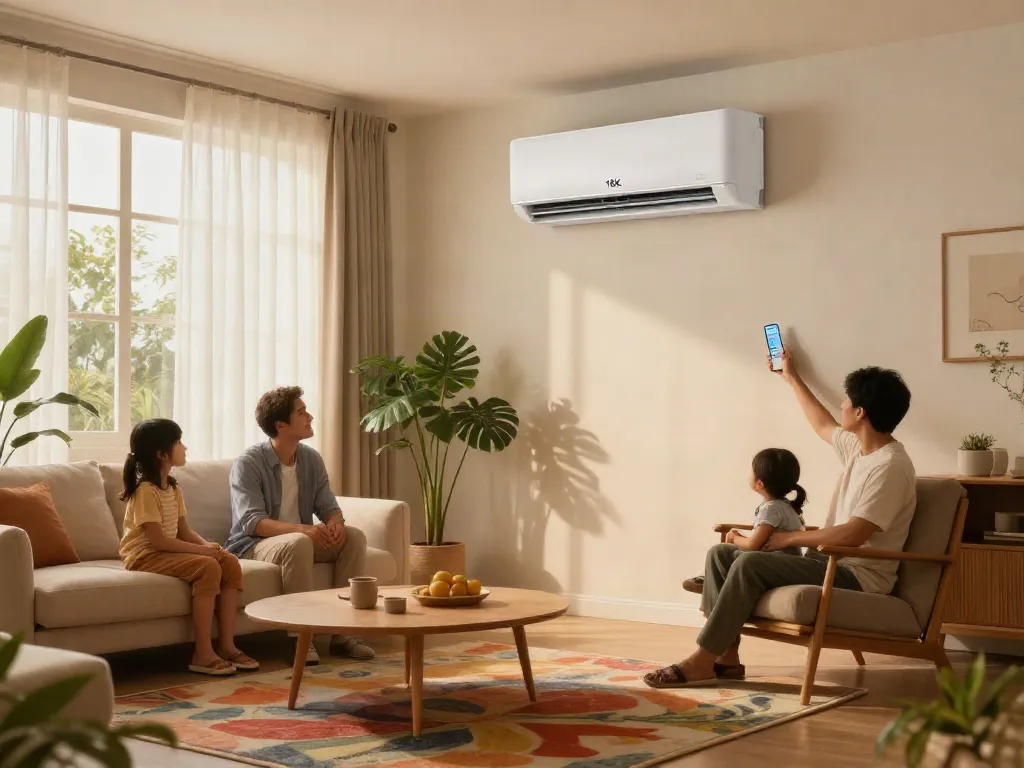
As homeowners seek efficient climate control solutions for their living spaces, the popularity of ductless mini-split systems has surged. Among these systems, the 18k mini split stands out for its ability to provide powerful heating and cooling to medium to large rooms. Understanding the fundamentals of these systems can help homeowners make informed choices regarding their installation and operation.
What is an 18k Mini Split?
At its core, an 18k mini split is a ductless heating and cooling system with a capacity of 18,000 BTUs (British Thermal Units) per hour. This capacity typically accommodates areas up to 1,000 square feet, making it ideal for larger bedrooms, living rooms, or open-plan spaces. Unlike traditional HVAC systems, mini splits do not rely on ductwork, allowing for more flexible installation and reduced energy loss associated with ducts.
Components of an 18k Mini Split System
An 18k mini split system comprises two main components: the indoor unit and the outdoor unit. The indoor unit houses the evaporator coil, which cools or heats the air before circulating it into the room, while the outdoor unit contains the compressor and condenser, which facilitate the heat exchange process. This design not only enhances efficiency but also minimizes noise levels, as the noisier components are located outside the living space.
How Does an 18k Mini Split Work?
Mini splits operate using a refrigeration cycle that allows them to extract heat from inside a room and transfer it outside in cooling mode, or vice versa in heating mode. The refrigerant passes through the indoor and outdoor coils, absorbing and releasing heat as it circulates. This process is controlled through a thermostat, giving homeowners precise control over their indoor climate.
Common Problems with 18k Mini Split Systems
While 18k mini splits are generally reliable and efficient, they can encounter issues like any other mechanical system. Understanding these common problems helps homeowners troubleshoot effectively and maintain their systems properly.
Frequent Issues Homeowners Face
Homeowners may experience a range of problems, including inadequate cooling or heating, noisy operation, and refrigerant leaks. These issues can often be traced back to improper installation, lack of maintenance, or component failure. For instance, blocked filters or dirty coils can restrict airflow, leading to lower efficiency and comfort levels.
Diagnosing Weak Airflow in 18k Mini Splits
If your mini split struggles with weak airflow, the first step is to check the air filters and coils for dirt and debris. Regular cleaning can prevent many airflow problems. Additionally, ensure the outdoor unit is free from obstructions that may block airflow and reduce its efficiency.
Understanding Temperature Control Issues
Temperature control problems often arise due to faulty thermostats or sensor malfunctions. Homeowners should ensure the thermostat is correctly calibrated and positioned away from direct sunlight or heat sources, which could affect its readings. If issues persist, consulting a professional is advisable.
Maintenance Tips for Your 18k Mini Split
To maximize the longevity and efficiency of an 18k mini split, regular maintenance is essential. Here are some practical tips for homeowners to conduct routine checks and upkeep.
Routine Cleaning of Filters and Coils
Cleaning the air filters monthly is crucial to ensuring efficient operation. Clogged filters restrict airflow and force the system to work harder, increasing energy costs and wear and tear. Additionally, cleaning the coils at least once a year helps maintain optimal heat exchange efficiency.
Seasonal Maintenance Checklist
Before the cooling or heating season begins, conduct a thorough inspection of the system. Check for refrigerant levels, ensure the remote control functions properly, and clear any debris from the outdoor unit. Scheduling a professional inspection every few years can also catch potential issues before they escalate.
Professional Services: When to Call a Technician
While routine maintenance can be performed by homeowners, certain issues require professional expertise. If your mini split exhibits unusual noises, persistent leaks, or fails to heat or cool effectively, it’s time to call a qualified HVAC technician to diagnose and rectify the problem.
Best Practices for Troubleshooting 18k Mini Splits
Knowing how to troubleshoot common issues can save homeowners time and money. Here’s a step-by-step guide to help navigate typical problems.
Step-by-Step Troubleshooting Guide
- Check the thermostat settings; ensure it’s on the correct mode and temperature.
- Inspect air filters and replace or clean them if they are dirty.
- Look for obstructions around the indoor and outdoor units that might affect airflow.
- Monitor the electrical connections; loose connections can lead to performance issues.
- If problems persist, call a professional for deeper diagnostics.
Using Smart Technology for Diagnostics
Many modern mini split systems come equipped with smart technology that can help users diagnose issues through mobile applications. These apps can provide alerts about maintenance needs, system performance, and even potential faults, making it easier for homeowners to stay on top of their system's health.
Preventing Common Issues with Regular Checks
Implementing a maintenance schedule can significantly reduce the frequency of common issues. Regularly inspecting air filters, ensuring that the outdoor unit is free from debris, and observing the unit's performance can preempt larger problems down the line.
Future Trends for 18k Mini Split Technologies in 2026
As technology progresses, 18k mini split systems are evolving to meet the demands of energy efficiency, comfort, and convenience. Here are some emerging trends shaping the future of these systems.
Emerging Features and Innovations
The latest mini split systems are integrating advanced features such as variable refrigerant flow technology, which optimizes energy usage by adjusting compressor speed based on the heating or cooling demand. Users can expect to see more systems with integrated air purification systems to enhance indoor air quality.
Energy Efficiency Ratings and Standards
Energy efficiency is becoming a top priority for homeowners, leading to stricter efficiency standards. Future mini splits will likely achieve even higher SEER (Seasonal Energy Efficiency Ratio) ratings, reducing energy costs and environmental impact.
The Role of Smart Home Integration
With the rise of smart home technology, mini splits are being designed to integrate seamlessly with smart home systems. This allows for remote control via smartphones, voice activation through smart assistants, and energy usage monitoring, empowering homeowners with more control over their heating and cooling.
What is the Average Lifespan of an 18k Mini Split?
The average lifespan of an 18k mini split can range from 12 to 15 years, depending on usage, maintenance, and quality. Regular maintenance can extend the life of your unit, ensuring it operates efficiently for as long as possible.
How to Choose the Right Size for Your Space?
Choosing the right size mini split involves considering the room's square footage, insulation quality, and climate. An 18,000 BTU unit is generally suitable for spaces between 550 to 1,000 square feet. However, consulting an HVAC professional can ensure the most accurate sizing for performance and comfort.
What Maintenance is Required for an 18k Mini Split?
Maintenance for an 18k mini split includes regular cleaning of filters and coils, checking refrigerant levels, and inspecting electrical connections. Homeowners should establish a maintenance schedule to keep the system running efficiently and prevent costly repairs.
Are 18k Mini Splits Suitable for Cold Climates?
Yes, many 18k mini splits are designed to operate efficiently in colder climates. Heat pump technology allows these systems to extract heat even in low outdoor temperatures, providing reliable heating for homes in colder regions.
How Does an 18k Mini Split Compare to Central AC?
Compared to central AC systems, 18k mini splits offer more flexibility in installation and typically require less invasive setup. They also provide zoned temperature control, allowing users to cool or heat individual rooms rather than the entire home at once, which can lead to energy savings.
What is the Best Brand for 18k Mini Splits?
Popular brands offering 18k mini splits include Mitsubishi, Daikin, Fujitsu, and Pioneer. Each brand has its strengths, so homeowners should consider factors like warranty, service availability, and energy efficiency ratings when making a decision.