
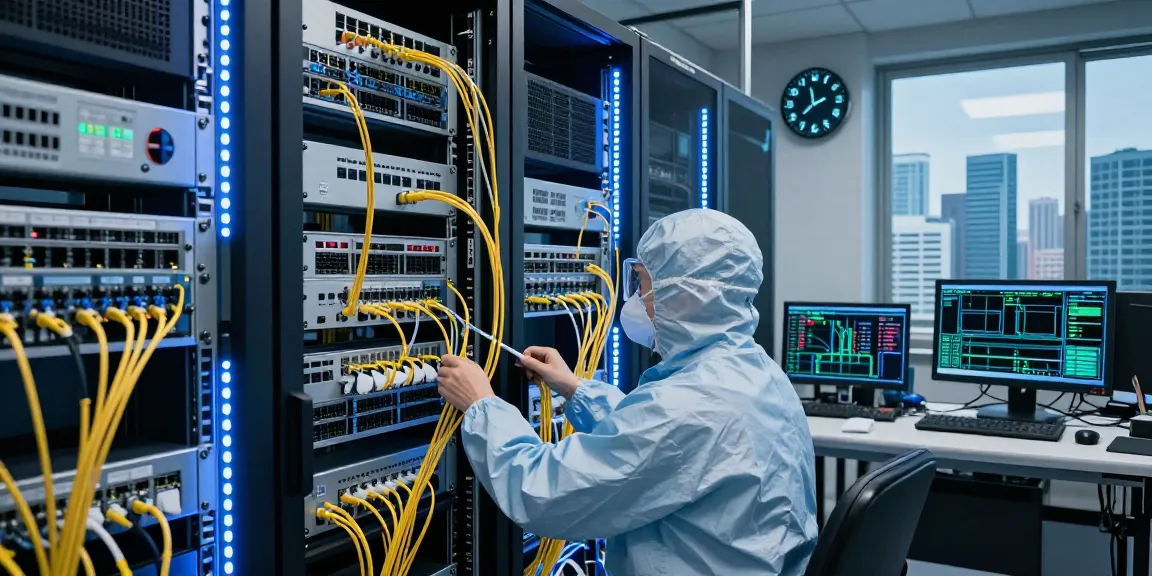
Understanding Fiber Optic Networks
In the ever-evolving landscape of information technology, the demand for high-speed, reliable connectivity has reached unprecedented levels. Fiber optic networks have emerged as the backbone of this digital revolution, providing unparalleled speed and capacity for data transmission. As organizations strive to improve their communication infrastructures, it is essential to understand the fundamentals of fiber optic networks, their components, benefits, and challenges.
When exploring options, fiber optic network offer comprehensive insights that can optimize performance and efficiency in network operations. They are not merely a solution but a strategic asset in ensuring the reliability and speed of data transfer essential in today’s AI-driven world.
What is a Fiber Optic Network?
A fiber optic network is a communication system that utilizes strands of glass or plastic fibers to transmit data as pulses of light. This technology offers several advantages over traditional copper wiring, including greater bandwidth and longer transmission distances. Fiber optic networks can be classified into two main types: single-mode and multi-mode fibers. Single-mode fibers are designed for long-distance communication, while multi-mode fibers are typically used for shorter distances, such as within a building.
Key Components of Fiber Optic Technology
Understanding the construction and operation of fiber optic networks requires examining their key components:
- Fiber Cables: Thin strands of glass or plastic that carry light signals.
- Connectors: Devices that join fiber optic cables to network equipment, ensuring efficient data transfer.
- Transceivers: Devices that convert electrical signals into optical signals and vice versa.
- Switches and Routers: Hardware used to direct and manage data traffic within the network.
- Patch Panels: Centralized points for managing and organizing fiber connections.
Benefits of Using Fiber Optic Networks
Implementing fiber optic networks brings various advantages that enhance overall performance:
- Higher Bandwidth: Fiber optics can accommodate much higher data rates than traditional copper cables, supporting bandwidth-intensive applications.
- Longer Distance: Signals can travel over longer distances without degradation, making fiber optic technology ideal for wide-area networks.
- Improved Reliability: Fiber optics are immune to electromagnetic interference, providing a stable connection for mission-critical applications.
- Enhanced Security: Fiber optic networks are more secure against eavesdropping and data breaches compared to conventional cables.
- Lower Latency: The speed of light in fiber optics is faster than electrical signals in copper wires, leading to reduced transmission delays.
Planning Your Fiber Optic Network
Effective planning is crucial for the successful implementation of a fiber optic network. This process involves assessing existing infrastructure, identifying potential challenges, and designing a network that meets the specific needs of your organization.
Assessing Infrastructure Needs
The first step in planning is to evaluate your current network infrastructure. Analyze your bandwidth requirements, the number of users, and the types of applications that will run on the network. Understanding these factors will help you determine the necessary capacity and design of your fiber optic network.
Identifying Common Challenges
Several challenges can arise during the planning and implementation of fiber optic networks. Common issues include:
- Installation Costs: While fiber optics can save costs over time, the initial installation can be higher than traditional copper networks.
- Skilled Labor: The need for specialized skills to install and maintain fiber optic networks can be a barrier for some organizations.
- Physical Limitations: The infrastructure must accommodate the physical requirements of fiber optic cabling, including conduit and pathways.
- Regulatory Compliance: Organizations must adhere to local regulations concerning installations, especially in sensitive areas.
Best Practices for Network Design
Implementing best practices in network design can help mitigate challenges. Consider the following:
- Future-Proofing: Design the network with future expansion in mind, ensuring it can accommodate increased data loads.
- Redundancy: Incorporate redundancy to improve reliability and uptime in case of failures.
- Documentation: Maintain comprehensive documentation of network designs and configurations for easier troubleshooting and maintenance.
Implementing Fiber Optic Solutions
Once planning is complete, the next phase is implementation. This process involves several critical steps to ensure the successful deployment of the fiber optic network.
Step-by-Step Installation Process
1. Preparation: Prepare the installation site by ensuring that all necessary equipment and materials are on hand.
2. Installation of Fiber Cables: Deploy fiber optic cables in the designated pathways, taking care to avoid sharp bends and excessive pressure.
3. Connectorization: Properly connect the fiber optic cables to connectors to ensure seamless data transmission.
4. Testing: Conduct thorough testing of the network to identify any issues before going live.
5. Documentation: Document the installation for future reference and maintenance procedures.
Tools and Equipment Required
Installing a fiber optic network requires specific tools, including:
- Fiber optic cable strippers and cleavers
- Splicing tools
- Optical power meters
- Light sources
- Testing equipment
Troubleshooting Common Issues
Despite careful planning and implementation, troubleshooting is a vital part of network management. Common issues include:
- Signal Loss: Causes can range from poor connections to damaged fiber. Regular testing can help identify issues early.
- Interference: Ensure that cables are installed away from electrical sources to minimize interference.
- Equipment Failure: Monitor equipment performance and have backup components ready for quick replacement.
Optimizing Fiber Optic Network Performance
Once the fiber optic network is operational, optimizing its performance is the next step. Continuous monitoring and improvement can lead to significant enhancements in speed and reliability.
Measuring Performance Metrics
Key performance metrics to measure include:
- Bandwidth Utilization: Measure how much of the available bandwidth is being used and identify any bottlenecks.
- Latency: Monitor response times to ensure minimal delays in data transmission.
- Error Rates: Track error rates to identify issues that may affect performance.
Common Optimization Techniques
Various techniques can be implemented to enhance network performance:
- Load Balancing: Distributing workloads evenly across multiple connections can improve response times.
- Network Segmentation: Dividing the network into segments can reduce congestion and improve speed.
- Regular Upgrades: Keeping software and hardware updated ensures optimal performance and security.
Case Studies of Successful Implementations
Real-world examples can illustrate the effectiveness of fiber optic solutions. For instance, a large financial institution replaced its outdated copper network with a fiber optic system, resulting in a 50% increase in data transfer speeds and significantly reduced downtime.
Future Trends in Fiber Optic Networks
As technology advances, so does the fiber optic landscape. Staying informed about future trends can help organizations adapt and innovate.
Emerging Technologies in 2026
By 2026, several emerging technologies are set to reshape fiber optic networks, including:
- Co-Packaged Optics: This technology integrates optics with semiconductor devices to reduce latency and enhance speed.
- Silicon Photonics: Using silicon for photonic applications can lower costs and improve performance.
- Advanced Fiber Designs: Innovations in fiber materials and designs can lead to lower loss and higher performance.
Predictions for Fiber Optic Usage
As demand for data continues to increase, fiber optic usage is expected to rise significantly. Predictions indicate that by 2026, over 80% of internet traffic will flow through fiber optic networks, highlighting the technology’s importance in global connectivity.
Impact of AI on Network Development
Artificial Intelligence (AI) is poised to play a crucial role in optimizing fiber optic networks. AI algorithms can analyze network performance data in real time to predict failures, automate troubleshooting, and optimize routing, greatly enhancing efficiency and reliability.
What are the benefits of fiber optic networks?
Fiber optic networks provide higher bandwidth, longer distances, improved reliability, and enhanced security compared to traditional copper networks.
How do I choose the right fiber optic equipment?
Select equipment based on your specific needs, including bandwidth, distance, and application. Consider factors such as compatibility, scalability, and future-proofing in your decisions.
What common mistakes should I avoid?
Avoid underestimating installation costs, overlooking necessary redundancy, and neglecting proper documentation during the planning and implementation phases.
How do I maintain my fiber optic network?
Regularly inspect connections, test for performance metrics, and keep documentation updated to ensure effective maintenance and troubleshooting of your network.
What future advancements should I look out for?
Stay informed about technologies such as co-packaged optics, silicon photonics, and new fiber designs that promise to enhance performance and reduce costs.


