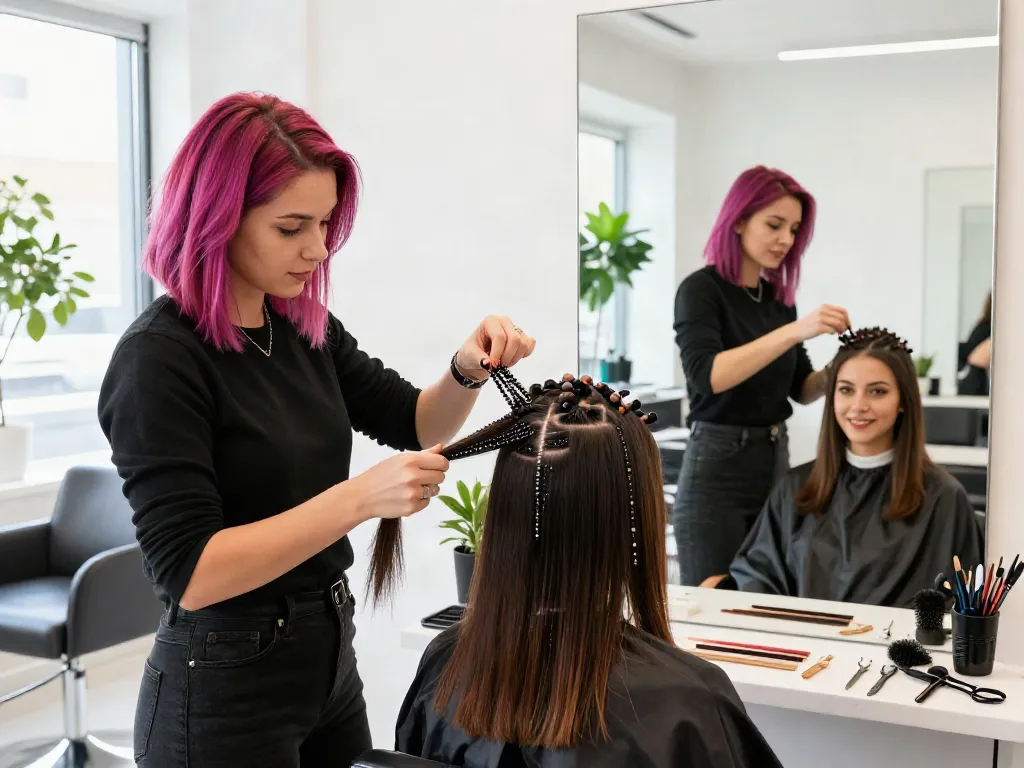
Understanding Tape In Extensions
Tape in extensions are a popular choice among hair extension enthusiasts and beginners alike, thanks to their ease of application and natural appearance. These extensions are made from either synthetic fibers or 100% Remy human hair, providing options for various preferences and budgets. As a novice in the world of hair extensions, understanding the fundamental aspects of tape in extensions is crucial for making informed decisions that suit your lifestyle and hair type. When exploring options, best tape in extensions for beginners can offer insights into quality and usability.
What Are Tape In Extensions?
Tape in extensions consist of wefts of hair attached to a thin strip of adhesive tape. Each extension is around 1.5 inches wide, and two pieces are sandwiched around a small section of your natural hair for a secure hold. They blend seamlessly with your hair, making them a favored choice for those seeking a natural look. The extensions can be reused multiple times with new adhesive tape, making them a cost-effective option over time.
How Tape In Extensions Work for Beginners
For beginners, tape in extensions are particularly appealing due to their straightforward application process. Unlike other methods that may require professional installation, tape ins can often be applied at home with some practice. The installation process involves sectioning the hair, applying the adhesive tape, and securing the extensions with a clamp or flat iron. This simplicity allows users to change their look quickly without committing to a lengthy salon visit.
Benefits of Tape In Extensions vs Other Types
- Natural Appearance: Tape in extensions lie flat against the scalp and blend easily with natural hair, making them nearly undetectable.
- Minimal Damage: When applied correctly, tape ins cause less stress to your natural hair compared to clip-ins and bonded extensions.
- Reusable: Unlike many other extension types, tape ins can be reused up to a year, providing significant value.
- Variety of Styles: Available in various lengths, colors, and textures, tape ins cater to different style preferences.
Choosing the Right Tape In Extensions
Choosing the right type of tape in extensions involves considering various factors that affect the overall look and longevity of the extensions. Beginners might feel overwhelmed by the choices available, but understanding these factors can simplify the decision-making process.
Factors to Consider for Beginners
- Hair Quality: Opt for 100% Remy human hair for the best results. This type of hair maintains its cuticle direction, resulting in a more natural look and feel.
- Weight of the Extensions: Lighter extensions are generally better for fine hair types, while thicker extensions may be better for those with coarse or thick hair.
- Adhesive Quality: Look for extensions with high-quality adhesive tapes that will hold securely but can be removed without causing damage when needed.
- Length and Color: Ensure the length and color of the extensions match your natural hair for a seamless blend.
Best Brands for Tape In Extensions in 2026
With numerous brands available, knowing which offer quality products can save time and money. Here are some top contenders for the best tape in extensions in 2026:
- Bellami Hair: Known for their high-quality Remy hair and extensive color range.
- Glam Seamless: Offers a variety of textures and lengths, with a strong reputation for durability.
- Irresistible Me: Popular for their affordability and comfort, making them suitable for beginners.
- Dona Bella Hair: Provides a range of options with premium quality, ensuring longevity and natural appearance.
How to Match Color and Texture
When choosing tape in extensions, color matching is essential. It’s best to select a shade that closely resembles your natural hair color. Many brands offer color-matching services or swatches, which can be helpful for beginners unsure about color selection. Additionally, consider the texture of both your hair and the extensions; straight, wavy, or curly textures should harmonize to avoid a stark contrast.
Application and Maintenance Tips
Successfully applying and maintaining tape in extensions are vital for a beautiful and long-lasting result. Beginners should follow some straightforward guidelines to ensure their extensions look and feel fabulous.
Step-by-Step Guide to Applying Tape In Extensions
- Start with clean, dry hair. It’s best to wash your hair beforehand, avoiding conditioners that can create a barrier for the adhesive.
- Section your hair into manageable parts, typically starting at the nape of the neck.
- Peel off the backing of the tape in extension and position it beneath a section of your natural hair.
- Place another tape in extension on top of your natural hair to sandwich it in between.
- Press down firmly and use a flat iron briefly to seal the adhesive.
Maintenance Strategies for Longevity
To extend the life of your tape in extensions, follow these maintenance tips:
- Gentle Washing: Use sulfate-free shampoos and conditioners to preserve the extensions.
- Avoid Oily Products: Keep oils and heavy products away from the bonds to prevent loosening your extensions.
- Styling Precautions: Use heat protectants when styling and avoid excessive heat.
- Regular Reapplication: Schedule reapplication every 6-8 weeks to maintain a seamless look.
Common Mistakes to Avoid for Beginners
While applying tape in extensions is relatively simple, beginners may fall prey to common pitfalls. Here are mistakes to watch out for:
- Applying extensions on wet hair, which can weaken the adhesive bond.
- Using the wrong color or texture, leading to an unnatural look.
- Overloading the hair with too many extensions, which can cause damage to natural hair.
- Neglecting regular maintenance and reapplication schedules.
Cost and Value Comparison
Understanding the cost implications of tape in extensions compared to other methods is crucial for budgeting. While they may seem expensive initially, the longevity and quality can offer better value in the long run.
Price Ranges for Quality Tape In Extensions
The price of tape in extensions can vary based on quality and brand. Generally, you can expect to pay:
- Budget Options: $100 - $200 for synthetic or low-quality Remy hair.
- Mid-Range Options: $200 - $400 for decent-quality Remy extensions.
- Luxury Options: $400 - $800 for premium quality, often including reusable applications.
Cost-Effectiveness vs Clip-In Extensions
While clip-in extensions are often cheaper upfront, they typically need to be replaced more frequently. Tape in extensions can last longer with proper care, making them a better long-term investment despite the higher initial cost.
Understanding Long-Term Investment in Hair Extensions
Investing in quality tape in extensions not only enhances your appearance but also saves money over time. With the ability to reuse extensions and the lower damage risk compared to other methods, tape ins emerge as a wise choice for enthusiasts.
Future Trends in Hair Extensions
The hair extensions industry is continuously evolving, driven by advancements in technology and consumer preferences. Staying informed about these trends can help beginners make educated choices in their hair extension journey.
Innovations in Tape In Extension Technology
Recent innovations have led to the development of thinner, more lightweight adhesive tapes that ensure a more comfortable experience and less damage to natural hair. Some brands are introducing invisible tape that makes the extensions even less detectable.
Consumer Preferences in 2026
In 2026, we observe a trend towards more sustainable and ethically sourced hair extensions. Consumers are increasingly looking for brands that prioritize environmentally friendly practices and offer cruelty-free products.
Predicted Changes and Trends in Hair Extensions
Innovations such as customizable lengths and colors, along with advancements in application techniques, indicate that the future will see even more accessibility for beginners in the hair extension market. As technology improves, the process will likely become even more user-friendly, lowering barriers for those new to hair extensions.