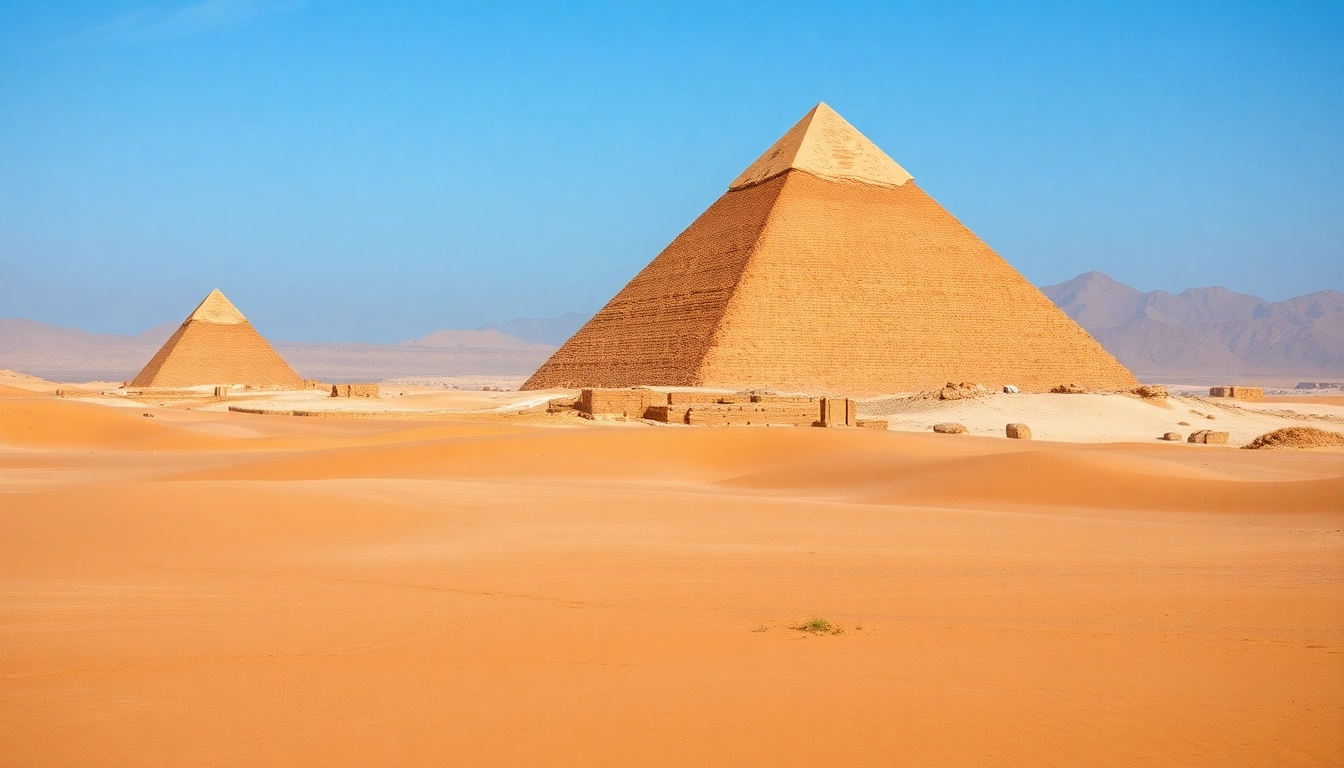
Pyramids: A Historical Overview
The enigmatic structures known as pyramids have captivated the imagination of people worldwide for centuries. Among the most famous are the Egyptian pyramids, which served as monumental tombs for pharaohs and were built with incredible precision and purpose. According to various archaeological insights, these ancient masonry structures are landmarks of Egypt's rich history. For further information on the historical significance of pyramids, you may visit https://piraminds.com/.
Understanding Pyramid Construction
Pyramid construction is a feat of engineering that showcases the advanced capabilities of ancient civilizations. The Egyptians used large limestone and granite blocks, often quarried near the pyramids' sites. Techniques to move and place these massive stones remain a topic of debate among historians and archaeologists. Some theories propose that ramps made from earth and limestone were used. Others suggest counterweights or levers may have played a role in raising the stones into place.
Moreover, the precision with which the pyramids were aligned showcases early Egyptian understanding of astronomy and geometry. For example, the Great Pyramid of Giza is aligned with incredible accuracy to the cardinal points, which likely required extensive observation and calculations by ancient astronomers.
Key Pyramids in Egypt
The Pyramids of Giza are the most famous pyramids in Egypt and include three primary structures: the Great Pyramid of Khufu, the Pyramid of Khafre, and the Pyramid of Menkaure. These pyramids date back to the Fourth Dynasty of the Old Kingdom, roughly 2580–2560 BCE. Each pyramid served not only as a tomb but also a symbol of power for the ruling pharaoh and the Egyptian civilization. They reflect the society's religious beliefs centered on the afterlife and the divine right to rule.
Beyond the Giza plateau, other notable pyramids include the Step Pyramid of Djoser at Saqqara, considered the earliest colossal stone structure, and the Red Pyramid and Bent Pyramid at Dahshur, which exemplify the evolution of pyramid design. These structures emphasize the dynastic progression and innovations in burial practices.
Impact on Egyptian Civilization
The construction of pyramids signifies more than just monumental architecture; they reflect the political and religious landscapes of ancient Egypt. The pharaoh's role as a god-king was emphasized through these grand structures, serving not only for burial but also as centers of worship in the afterlife.
Pyramids also fostered economic growth through the labor forces they required. The building projects provided jobs and stimulated local economies. Artisans, laborers, and skilled workers brought together diverse talents, contributing to significant advances in technology, architecture, and art.
The Mysteries Surrounding Pyramid Building
The legacy of pyramid construction is shrouded in mystery. Despite extensive studies, there is still much we do not understand about how these massive structures were built. Emerging technologies are helping researchers gain new insights, but several aspects remain enigmatic.
Architectural Innovations
One key area of interest lies in the architectural innovations associated with pyramid design. The shift from simple mastaba tombs to the pyramidal shape reflected a fundamental change in the vision of the afterlife among ancient Egyptians. The true architectural marvel lies in the accurate use of base angles and the meticulous planning that went into their alignment and internal structure.
Moreover, the pyramids incorporated complex systems of chambers and passageways, designed to confuse looters and protect the pharaoh's body and possessions. These innovations in design highlight the civilization's advanced understanding of engineering that would influence future architectural endeavors.
Labor and Resources
Another captivating aspect of pyramid construction is the labor force involved. Contrary to the popular belief that slaves built the pyramids, evidence suggests that a skilled workforce made the remarkable structures. These workers likely belonged to a rotating labor system that allowed them to make a living, and they were well-fed and housed while working on the pyramids.
The management of resources was critical, including the organization of stone quarries, transportation systems across the Nile, and the coordination of large labor groups. This requires an advanced understanding of logistics and resource management, which was innovative for its time.
Modern Discoveries and Interpretations
Amazingly, modern technology has revitalized interest in pyramid studies. Innovations such as infrared thermography and three-dimensional scanning have revealed new aspects of their construction and maintenance. Recent findings of hidden chambers using cosmic-ray muon radiography have shed light on areas that remain untouched and answer questions regarding the structural integrity of the pyramids.
Contemporary archaeologists continue to discover more about the people who built these monumental structures, from their daily lives to their methods. As technology advances, so too does our understanding of this incredible aspect of human history.
Pyramids in Popular Culture
The fascination with pyramids transcends historical study and weaves its way into popular culture as well. Their unique shape and ancient mystery serve as a backdrop for various forms of art, literature, and media, captivating audiences worldwide.
Influence on Art and Literature
Pyramids have served as symbols of mystery and grandeur in art and literature for centuries. From the works of H.G. Wells to contemporary novels, they often symbolize the unknown and humanity's quest for knowledge. Artists have created countless interpretations, depicting them in various styles from realistic paintings to abstract representations.
This historical symbolism translates to modern works, where pyramids signify power, mystery, and the allure of the past. They often serve as a backdrop in films, reinforcing the notion of adventure and exploration into the unknown.
Documentaries and Films
The allure of the pyramids has instigated numerous documentaries and films that aim to uncover their secrets. Cinematic portrayals, such as the renowned films “The Mummy” or “Night at the Museum,” showcase the ancient structures as settings ripe with interest, intrigue, and adventure. Documentaries delve into historical analyses and exploration, attempting to demystify the construction of these legendary towers.
Through compelling storytelling, filmmakers engage audiences with the mysteries surrounding ancient Egypt, encouraging a heightened interest and understanding of pyramid history.
Public Fascination with Pyramids
The public's fascination with pyramids remains strong, as evidenced by the continued rise in visits to these iconic sites. Whether through educational travel or virtual reality tours, interest in pyramids persists across generations. This has sparked dialogue about preservation, tourism management, and ethical considerations in showcasing ancient sites.
Beyond tourism, their allure has translated into culture through merchandise, art, and even gaming, where pyramids frequently serve as elements or themes reflective of ancient civilizations and their mysteries.
Visiting the Pyramids
For many, visiting the pyramids is a dream come true. The awe-inspiring structures offer not only stunning visuals but also a tangible connection to ancient history. However, preparation and knowledge enhance the experience of visiting these monumental sites.
Top Locations to Explore
When planning a visit, the Pyramids of Giza, especially the Great Pyramid, take center stage. However, other locations, such as Saqqara, with the Step Pyramid of Djoser, and the lesser-known pyramids at Dahshur, should not be overlooked. These sites provide insight into the evolution of pyramid construction and the associated burial practices.
A guided tour, whether physical or virtual, can provide essential context, enriching your experience as you explore the grandeur of these magnificent structures and their surrounding complexes.
Travel Tips for Tourists
Planning a visit requires consideration of the best times to explore and understanding cultural sensitivities. Visiting early in the morning or later in the afternoon can help avoid the heat and tourist crowds. When navigating these historic sites, it's advisable to wear comfortable shoes, stay hydrated, and remember the significance of the sites you visit.
Additionally, understanding local customs, such as dress codes and respectful photography, enhances your experience and demonstrates appreciation for the cultural heritage of Egypt.
Significance of Preservation Efforts
Preservation of these ancient structures is vital for future generations to understand history. Various organizations and governments work diligently to ensure the continued protection of these monumental sites. Ongoing research, conservation efforts, and responsible tourism practices are fundamental in safeguarding these treasures from environmental and human-induced damage.
Engagement in preservation initiatives can be an enriching aspect of travel, allowing visitors to contribute positively to the legacy of these ancient wonders.
FAQs About Pyramids
What were the pyramids used for?
Pyramids served primarily as royal tombs for pharaohs, meant to facilitate their journey to the afterlife. They were also sites of worship and veneration.
How long did it take to build a pyramid?
The construction of a pyramid could take anywhere from 10 to 20 years, largely depending on the size, resources available, and labor force management.
Who was buried in the pyramids?
Pyramids primarily housed the remains of pharaohs, but some allowed for the burial of their consorts and elite figures, reflecting their status and importance.
What is the primary material used in pyramid construction?
Most pyramids were constructed using limestone blocks quarried locally, with granite used in certain areas, particularly for burial chambers and casings.
Why are the pyramids aligned with the stars?
The pyramids' alignment with constellations reflects ancient Egyptians' beliefs in the afterlife and their desire for pharaohs to ascend to the heavens, showcasing their celestial connection.